

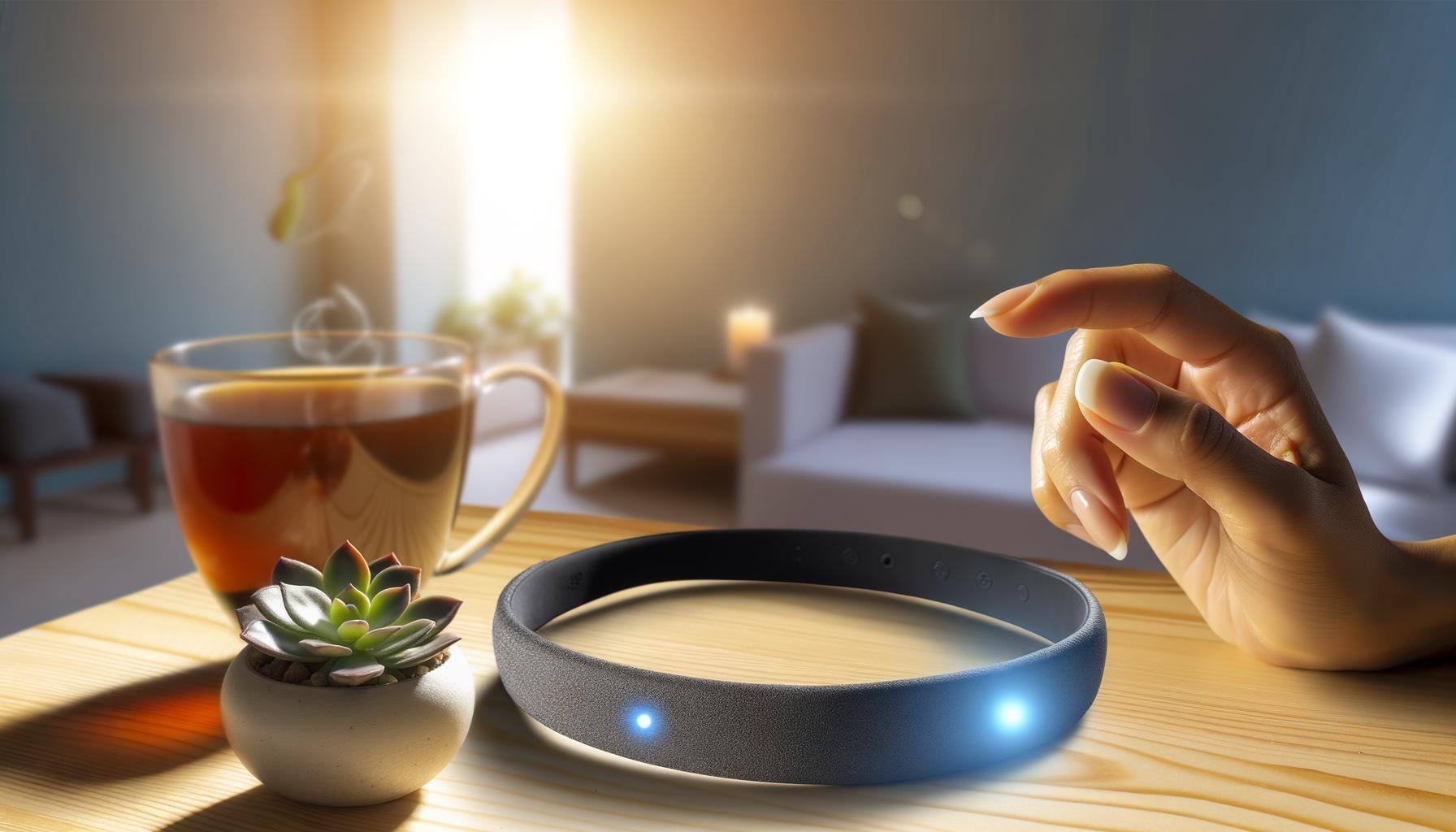
The Evolution of Wearable Neurotechnology
In recent years, the landscape of wearable technology has vastly expanded beyond fitness trackers and smartwatches. Among these advancements, wearable neurotechnology has emerged as a promising frontier, offering innovative solutions for mental health treatment. Originally associated with brain implants, neurotech has evolved to include non-invasive devices that stimulate the brain externally. This new wave of wearable neurotech targets chronic mental health conditions such as depression, anxiety, and insomnia, presenting a less intrusive alternative to traditional medication.
Wearable neurotech works by applying mild electrical stimulation to the brain through devices that can be worn comfortably on the head. These devices are designed to be user-friendly, allowing individuals to self-administer treatments in the comfort of their own homes. As technology continues to advance, the potential applications of wearable neurotech are expanding, promising a new era of mental health management that is both accessible and personalized.
How Wearable Neurotech is Revolutionizing Mental Health Treatment
The rise of wearable neurotechnology marks a significant shift in how mental health conditions are treated. One of the most compelling aspects of this technology is its potential to provide relief without the side effects often associated with pharmaceutical treatments. For many, antidepressants and other medications come with a host of unwanted effects, such as weight gain, low libido, and emotional numbness. Wearable neurotech offers a promising alternative, with users reporting fewer side effects and a more natural therapeutic experience.
These devices work by targeting specific areas of the brain to alter electrical activity, which can help regulate mood and alleviate symptoms of mental health disorders. For instance, a device might use transcranial direct current stimulation (tDCS) to apply a gentle electric current to areas of the brain associated with mood regulation. The user-friendly nature of these devices allows individuals to integrate treatment seamlessly into their daily routines, empowering them to take control of their mental health journey.
The Science Behind Neurostimulation and Its Impact
At the heart of wearable neurotechnology is the concept of neurostimulation, a process that leverages the brain's natural electrochemical communication system. Brain cells, or neurons, communicate through electrical signals, and by modifying these signals, neurostimulation can influence mood and emotional states. This approach provides an alternative pathway to traditional pharmaceuticals, which often target chemical imbalances in the brain.
The science behind neurostimulation is rooted in years of research, with various techniques being explored for their therapeutic potential. Transcranial magnetic stimulation (TMS) and cranial electrotherapy stimulation (CES) are among the methods being utilized. These techniques have shown promise in clinical settings, with studies indicating their efficacy in treating mental health conditions. As research progresses, the understanding of how neurostimulation affects brain function will continue to deepen, paving the way for more effective and targeted treatments.
Navigating the Regulatory Landscape for Neurotech Devices
The journey from concept to consumer market for wearable neurotechnology is fraught with regulatory challenges. In the United States, the Food and Drug Administration (FDA) plays a pivotal role in approving medical devices, while in Europe, a decentralized system of accredited bodies handles safety testing and audits. This fragmented regulatory environment can pose significant hurdles for companies seeking to commercialize their products.
Moreover, the history of brain stimulation devices, some of which lacked scientific backing, has led to lingering skepticism about their efficacy and safety. To address these concerns, regulatory bodies have tightened approval processes, requiring rigorous clinical evidence and safety standards. While this ensures that devices reaching the market are both safe and effective, it also extends the timeline for approval, making it a challenging landscape for innovators in the neurotech space.
Overcoming Challenges in Market Adoption
Despite the promising potential of wearable neurotechnology, market adoption faces several obstacles. One of the primary challenges is gaining acceptance from healthcare providers who are accustomed to traditional pharmaceutical treatments. To overcome this, neurotech companies must build a strong case for the efficacy and cost-effectiveness of their devices, supported by robust clinical data.
Another hurdle is the path to reimbursement, which is crucial for achieving widespread adoption. For medical devices to be covered by insurance and healthcare systems, they must demonstrate not only clinical efficacy but also value for money. This often involves navigating complex cost-benefit assessments that vary by market. Companies that can successfully bridge the gap between regulatory approval and reimbursement stand to make a significant impact on the healthcare landscape.
The Future of Wearable Neurotechnology in Healthcare
The future of wearable neurotechnology in healthcare is bright, with immense potential to transform how mental health conditions are managed. As the technology continues to evolve, it is likely to become more integrated into mainstream healthcare practices. This integration will not only provide patients with more treatment options but also promote a more proactive approach to mental health management.
Looking ahead, the continued refinement of wearable neurotech devices promises to make them even more accessible and effective. As research advances, new applications for neurostimulation may emerge, further expanding the scope of treatment possibilities. With the backing of regulatory approvals and healthcare system endorsements, wearable neurotechnology is poised to play a pivotal role in the future of mental health treatment, offering hope and healing to countless individuals worldwide.